The Thrill of Uncertainty
One of the primary psychological factors that drive players to casinos is the thrill of uncertainty. This excitement stems from the unpredictability of outcomes. Each spin of the slot machine or roll of the dice carries with it the potential for significant rewards, which creates a rush of adrenaline. This notion of risk and reward is deeply embedded in human psychology, making it an alluring aspect of casino gaming. In fact, some players might even turn to a legit crypto casino for an exciting twist on traditional gaming.
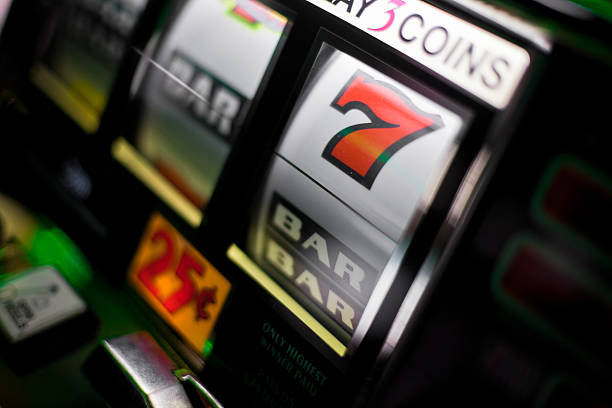
The concept of variable reinforcement plays a pivotal role in this dynamic. Players are often rewarded sporadically, which can lead to a cycle of anticipation and excitement. This intermittent reward system keeps players engaged for longer periods, as they may believe that the next bet could lead to a substantial payout, reinforcing their desire to continue playing.
The Social Aspect of Gaming
Another compelling factor contributing to the popularity of casino gaming is the social environment it provides. Casinos often act as social hubs where individuals gather to share experiences and foster connections. The communal aspect of games like poker allows players to engage with others, creating a shared experience that enhances the enjoyment of the game.
Furthermore, the setting of a casino, filled with lights, sounds, and social interactions, stimulates a unique atmosphere that adds to the overall experience. Many players thrive on the energy of those around them, enhancing their own enjoyment and leading to longer gaming sessions, as they feel part of a larger community.
The Impact of Design and Environment
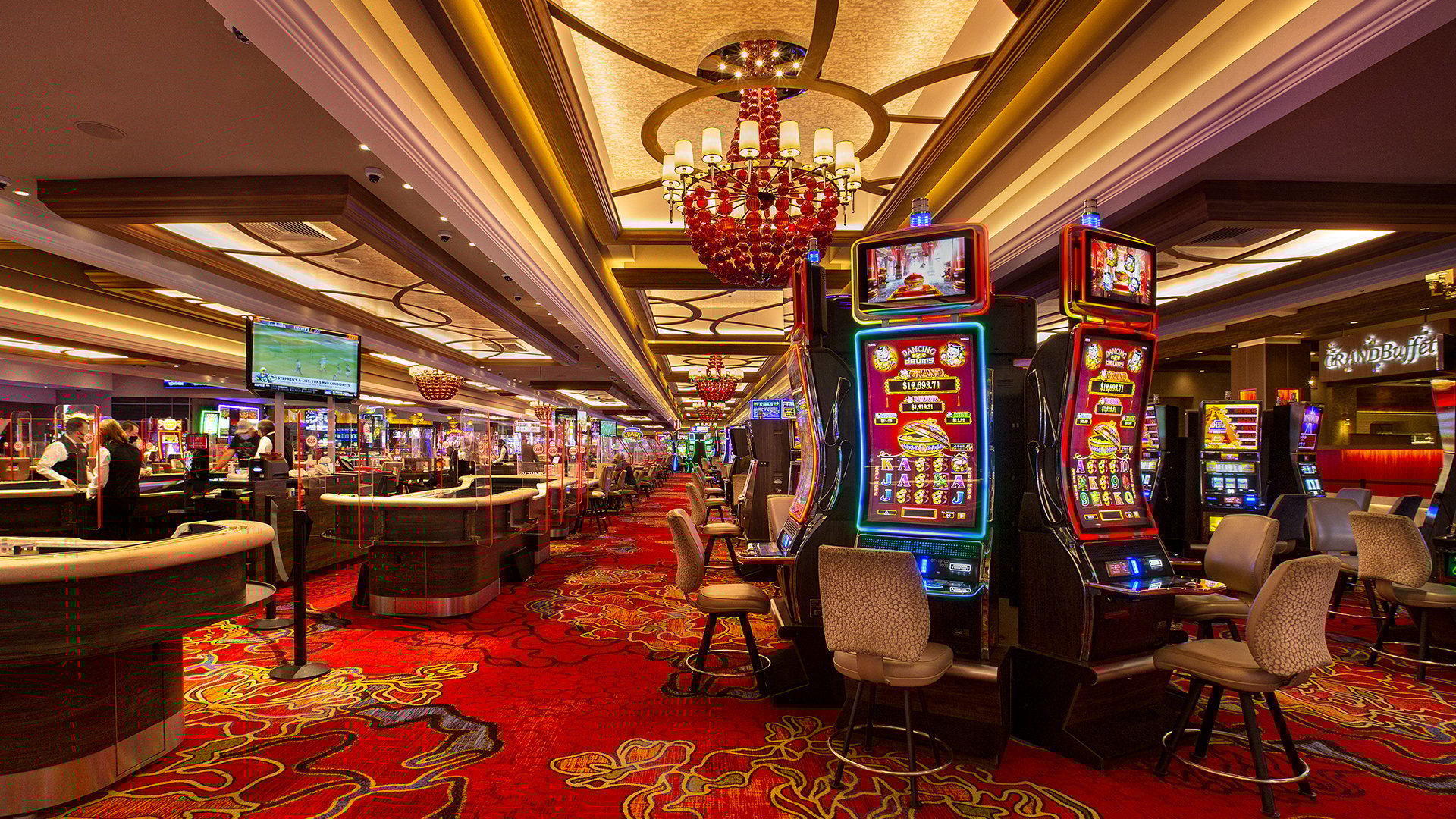
The design of a casino plays a significant role in driving player engagement. From the layout of the gaming floor to the immersive soundscapes and lights, every aspect is meticulously crafted to create an enticing atmosphere. This environment is not just for aesthetics; it is strategically designed to keep players on-site and in the game.
Psychologically, the sensory stimulation provided by the casino environment can lead to a phenomenon known as “temporal disorientation.” Players may lose track of time, prompting them to spend more hours gaming than they originally intended. This phenomenon is further fueled by the absence of clocks and windows in many casinos, contributing to a sense of timeless enjoyment that encourages prolonged play.
The Role of Cognitive Biases
Cognitive biases significantly influence how players perceive their chances of winning in casino gaming. Players often overestimate their likelihood of winning due to biases such as the gambler’s fallacy, where they believe past outcomes can affect future results. This misunderstanding creates a strong belief in luck and personal influence over outcomes, motivating players to gamble more.
Additionally, the illusion of control plays a role; players often feel they can influence outcomes through strategy or skill, even in games that are wholly based on chance. This belief can lead to an increased frequency of play, as individuals chase the perceived ability to outsmart the game, further driving their engagement with gambling activities.
Discovering the World of Gaming Psychology
For those curious about the intricate psychology of casino gaming, understanding these dynamics can lead to greater awareness and insight. At our website, we delve deep into these themes, exploring the various elements that shape player behavior. We aim to provide a space for discussing the psychological factors influencing gambling and sharing resources to navigate the gaming landscape.
Our goal is to foster a community interested in the interplay of psychology and gaming, helping individuals gain a better understanding of their motivations and experiences in the casino world. Join us as we unravel the layers of casino gaming psychology together!