The Role of Luck in Gambling
Luck is often viewed as a central factor in the realm of gambling, where chance plays a significant role in determining outcomes. The thrill of placing a bet and hoping for a favorable turn of events can lead many to believe that luck is a guiding force in their success. However, while luck certainly influences the outcome of many games, it is essential to recognize that the complex interplay of probabilities, strategies, and personal decision-making also contributes significantly to a gambler’s eventual success, especially when considering options like betting canada which can offer unique opportunities. Understanding this multifaceted nature of gambling can help individuals navigate their experiences more effectively.
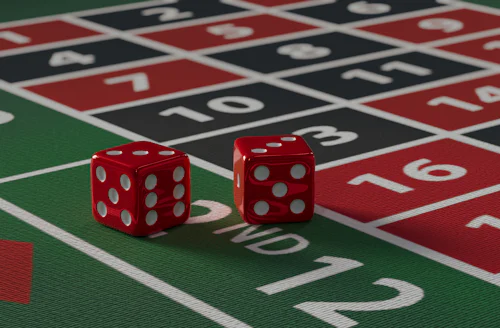
For instance, in games like roulette, luck can seem to dictate the game’s outcome, as players depend on the spin of the wheel to determine whether they win or lose. Yet, while the result of each spin is determined at random, players can influence their experience through betting strategies. Recognizing patterns or employing a disciplined approach can lead to outcomes that feel more controlled, even amidst the chaos of luck. This illustrates that luck may have a role, but it is not the sole factor in gambling success.
Moreover, the perception of luck often shapes gamblers’ attitudes and behaviors. Many people believe that luck is something that can be attracted or diminished, leading to various superstitions and rituals. Whether it is wearing a lucky charm or avoiding certain numbers, these beliefs can impact a player’s mindset and decision-making. Ultimately, while luck undoubtedly influences gambling, it operates within a broader context of skills, strategies, psychological factors, and personal experiences, all of which contribute to overall success.
The Science Behind Gambling Outcomes
The science of probability is integral to understanding how luck interacts with gambling outcomes. Each game, whether it be slot machines, poker, or blackjack, has its own set of odds that dictate the likelihood of winning. These odds are calculated based on statistical probabilities, which means that, over time, the house edge ensures that the casino profits. This foundational aspect of gambling reveals that while luck can play a role in short-term outcomes, it is the mathematics and probabilities that ultimately govern long-term success.
In poker, for instance, a player may experience a sequence of fortunate draws or flops that enable a winning streak. However, skilled players recognize that understanding their opponents and making strategic decisions based on probability can significantly alter their odds, sometimes independent of luck. This skill-based approach often leads to more consistent success, underscoring that luck can be fleeting while skill can be cultivated and improved. In this way, a player’s grasp of the game’s mathematical underpinnings can often outweigh the randomness of luck.
Moreover, the psychological aspect of gambling can influence how individuals perceive their luck and the outcomes they experience. Cognitive biases, such as the hot hand fallacy or confirmation bias, can lead players to overestimate their luck or misinterpret random streaks in their experience. This psychological dimension highlights how luck interacts with human perception, potentially leading to irrational betting behaviors. Thus, while luck is an undeniable factor, its influence is frequently tangled with the cognitive processes that govern our understanding of success in gambling.
The Influence of Strategy and Skill
While luck plays a part in gambling, the importance of strategy and skill cannot be overstated. Many games, such as poker and blackjack, require a combination of mathematical acumen and psychological insight, allowing players to exercise control over their outcomes. Individuals who invest time in learning strategies and practicing their skills often find themselves achieving greater success than those who rely solely on luck. This highlights the importance of a balanced approach in gambling, where skill complements the inevitable role of chance.
Furthermore, understanding game mechanics and employing effective strategies can significantly improve one’s odds of winning. For example, in blackjack, players learn basic strategy charts that guide them on the best possible moves based on their hand and the dealer’s showing card. This strategic knowledge can minimize losses and maximize wins, emphasizing the importance of skill in gambling scenarios. Players skilled in such strategies can mitigate the impact of negative luck and tilt the odds in their favor consistently.
Additionally, the development of emotional discipline is essential for successful gambling. Overcoming the instinct to chase losses or to bet recklessly in moments of perceived luck is crucial in maintaining a strategic approach. Skilled gamblers often exhibit a strong sense of self-control and are grounded in their decision-making. This ability to remain rational amidst the unpredictability of luck can be the differentiating factor between long-term winners and those who approach gambling as pure chance. Thus, while luck is a component, strategy and skill remain the bedrock of sustained gambling success.
The Impact of Environment and Game Selection
The environment in which gambling takes place can also affect how luck is perceived and experienced. For instance, the atmosphere of a casino, the types of games available, and the presence of fellow players all contribute to the overall gambling experience. Being in a lively, exciting environment may heighten emotions and lead individuals to engage in riskier behaviors, potentially skewing their perception of luck. Conversely, a calm and focused environment can promote better decision-making and strategy implementation.
Moreover, the selection of games plays a critical role in the balance of luck and skill. Some games, such as slots, are heavily reliant on chance and offer little opportunity for strategy. On the other hand, games like poker and blackjack incorporate both luck and skill, allowing players to navigate the elements of chance while employing strategic thinking. This choice can significantly affect a player’s odds of success in the long run, as games with lower house edges and higher skill components typically yield better outcomes for knowledgeable players.
The social aspects of gambling can also influence one’s luck perception. Engaging with other players, sharing strategies, and observing others’ successes or failures can create a sense of camaraderie or competition. For some, this can amplify the feeling of luck, as witnessing others win can lead to optimism. However, it is essential to remember that these perceptions are subjective and may not necessarily reflect one’s own likelihood of success. Thus, both environmental factors and game selection intertwine with luck to shape a gambler’s experience.
Exploring Responsible Gambling Resources
Understanding the multifaceted nature of luck, skill, and strategy in gambling is vital for developing a healthy approach to this pastime. Resources that promote responsible gambling can guide individuals in making informed decisions and maintaining control over their gaming experiences. Various organizations and websites offer education on the risks associated with gambling, helping players recognize when to seek help or adjust their habits. Such resources can be invaluable for individuals who may become overly reliant on luck or develop unhealthy gambling behaviors.
Furthermore, responsible gambling initiatives often provide tools for self-assessment and strategies to manage gaming activities effectively. This includes setting limits on time and money spent gambling, recognizing triggers for excessive play, and understanding the importance of taking breaks. By integrating responsible practices, individuals can enjoy the thrill of gambling while minimizing the risk of negative consequences. This balanced approach can help one navigate the interplay of luck and skill in a manner that promotes enjoyment without sacrificing well-being.
In today’s digital landscape, numerous online platforms provide comprehensive information about responsible gambling. This includes forums for discussion, resources for self-exclusion, and access to support communities. By engaging with these resources, gamblers can foster a healthier relationship with luck, enabling them to maintain perspective and make sound decisions that prioritize enjoyment and responsibility. Ultimately, incorporating knowledge about responsible gambling can empower individuals and enhance their overall experience in the world of gaming.